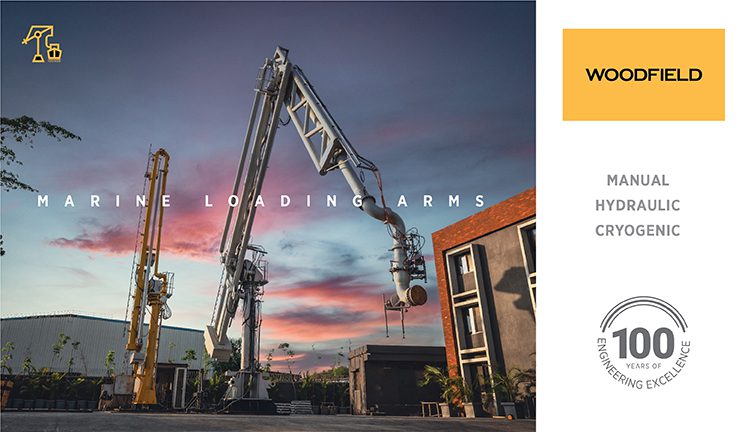


As a central component of international logistics, maritime shipping on the seas and inland waterways plays a crucial role. The transport of gases, fuels, or chemicals places special demands on safety and environmental protection. Sea-going and inland vessels transporting chemicals, fuels, LNG, or other sensitive goods must be safely prepared for processes such as loading and unloading, repairs, inspections, or product changes. Preparation also includes the complete removal of gases, vapors and other residues from within the tanks.
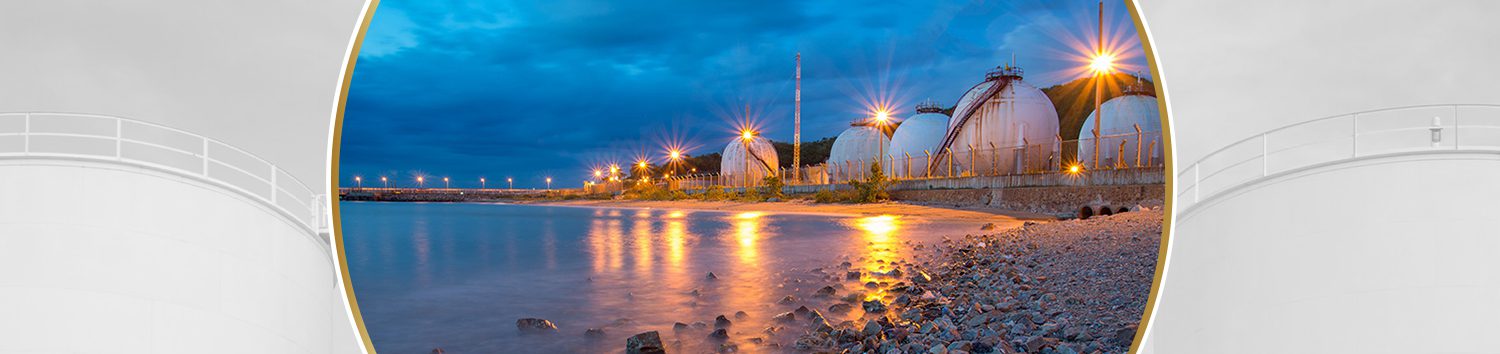
For the environmentally-friendly removal of residual gases, the degassing of ships and tanks is essential. It helps to reduce operational risks, minimize delays, and ensure compliance with international safety and emissions standards. For many shipping companies and port operators, ship degassing has therefore become an indispensable part of sustainable shipping. At the same time, the shipping industry – where schedules are tight and operational interruptions are costly – requires flexible and efficient solutions. Mobile vapor combustion units meet these requirements and can be flexibly deployed at terminals, ports, or berths for the degassing of seagoing and inland vessels.
In an ETS Degassing blog article, you can learn more about the importance of mobile ship degassing: https://ets-degassing.com/en/2025/06/13/degassing-marine-and-shipping/.
The attached blog post is available for editorial use, as a basis for commentary, and for full or partial publication. We kindly ask that you credit ETS Degassing as the source. If you have any questions or require additional materials, please feel free to get in touch.
For more information visit www.ets-degassing.com