
Argent LNG has signed a Memorandum of Understanding (MOU) with the Government of Albania to explore the joint development of a large-scale LNG storage and regasification terminal on the country’s Adriatic coast.
The proposed facility is intended to serve as a regional energy security asset for the Western Balkans and Southeastern Europe, rather than primarily supplying Albania’s domestic market. Argent LNG is expected to provide up to 5 million tonnes per annum (MTPA) of LNG supply to support the planned terminal.
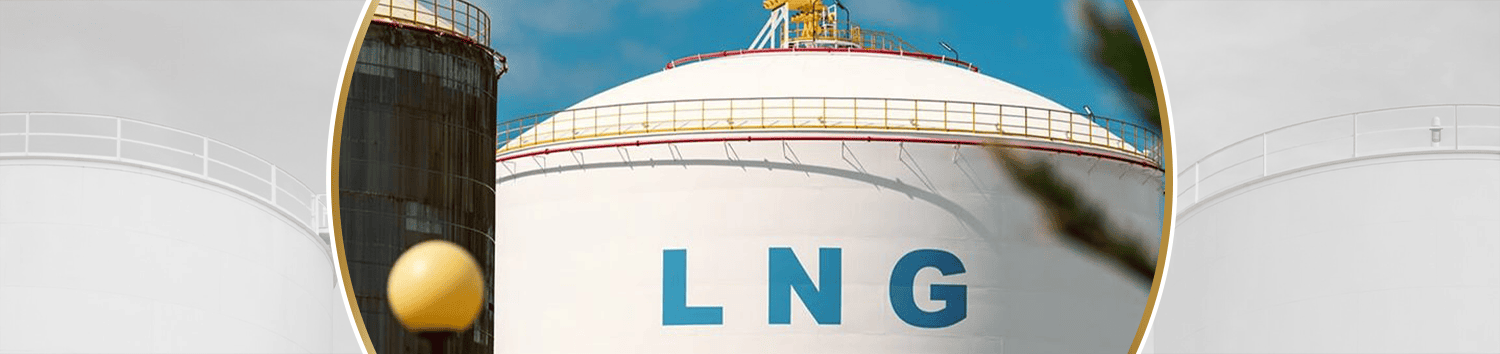
The project is being positioned as a potential gateway for US-sourced LNG into regional markets, with proposed connections to existing and planned energy infrastructure including the Trans Adriatic Pipeline (TAP), Ionian Adriatic Pipeline (IAP) and the Fier–Vlorë corridor.
Albania’s electricity system is predominantly powered by renewable sources, particularly hydropower, which could allow the country to play a strategic role as an LNG entry point for neighbouring markets with greater exposure to imported natural gas.
The proposed terminal would be developed with the objective of increasing access to non-Russian gas supplies across Southeastern Europe. Argent LNG has also identified the potential for reverse-flow and gas-swap arrangements that could eventually allow the infrastructure to contribute to Ukraine’s energy security.
The agreement with Albania follows previous MOUs signed by Argent LNG with BOTAŞ, Ukraine’s Naftogaz in July 2026 and Romania’s Transgaz in August 2026. The company said the agreements form part of a broader regional supply strategy centred on US LNG and interconnected European gas infrastructure.
The Albanian project is also intended to align with the country’s participation in the Three Seas Initiative, a regional cooperation framework focused on improving connectivity and infrastructure across Central and Eastern Europe. The parties intend for the proposed LNG terminal to become a flagship energy project under the initiative.
Jonathan Bass, chairman and CEO of Argent LNG, said Albania could play a role in strengthening energy security across Southeastern Europe by providing a secure supply point for neighbouring countries.
The proposed terminal would form part of a wider effort to diversify regional gas supplies and reduce reliance on Russian energy imports. Its development would also depend on further project planning, infrastructure integration, regulatory approvals and commercial arrangements.
For Albania, the initiative could provide an opportunity to leverage its Adriatic location and existing energy connections to support broader regional gas security. For Argent LNG, the MOU represents another step in developing a network of partnerships intended to connect US LNG supplies with European demand.
If advanced, the project could become an important component of the emerging LNG infrastructure network in the Adriatic and wider Southeastern European energy market.
For more information visit www.argentlng.com